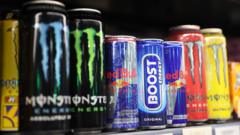
England's government moves to restrict energy drink sales to minors starting April 2025, targeting beverages with high caffeine content while exempting lower-caffeine soft drinks. The ban applies specifically to under-16s and reflects growing concern about youth consumption of drinks like Red Bull, Monster, and similar brands that pack 80-plus milligrams of caffeine per serving.
Public health officials cite rising rates of caffeine-related issues among teenagers, including anxiety, sleep disruption, and heart palpitations. The restriction aligns with similar measures already adopted in Scotland and Wales, creating a UK-wide framework against high-caffeine beverages for young people.
Retailers face legal liability for selling restricted drinks to customers under 16, though enforcement mechanisms and penalty structures remain unclear. The ban excludes coffee, tea, and conventional soft drinks, meaning a teenager can still purchase a cola but not an energy drink.
Industry groups have raised concerns about the definition of "high-caffeine" beverages and compliance costs, though major retailers including Tesco and Sainsbury's have signaled support for the measure. Some manufacturers have begun reformulating products to lower caffeine content ahead of the deadline.
Health charities including the British Heart Foundation welcomed the ban, noting that excessive caffeine consumption during adolescence disrupts developing cardiovascular and nervous systems. Medical research shows teenage energy drink consumers face elevated risks of caffeine dependency and adverse cardiac events.
The policy reflects a broader European trend. Ireland imposed similar restrictions in 2022, and several other nations are considering comparable legislation. Consumer advocacy groups pushed for the measure over several years, arguing that aggressive marketing of energy drinks directly targets younger audiences through social media and sponsorships of extreme sports.
Retailers must complete stock rotation and inventory adjustments by April to comply with the new law.