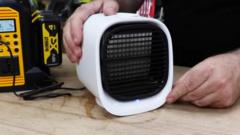
The Advertising Standards Authority shut down a wave of misleading ads for portable "air conditioners" that promise to cool rooms in under two minutes. These devices, flooding social media and e-commerce platforms, make false claims about their cooling capacity and speed.
The ASA found that adverts for products like the "Arctic Air Ultra" and similar gadgets violated advertising codes by exaggerating performance. Most of these devices function as evaporative coolers or personal fans, not true air conditioning systems. They lack the compressor and refrigerant necessary for actual room cooling. Marketing copy claiming rooms cool "in 90 seconds" or providing substantial temperature drops across large spaces misrepresents the technology entirely.
These products proliferate on TikTok, Instagram, and Amazon, where algorithms amplify engaging content and low prices drive clicks. The devices typically cost between £20 and £100, making them attractive impulse buys during heatwaves. Influencers and dropshippers promote them to millions of followers, often with fabricated testimonials and before-and-after videos shot under controlled conditions.
The ASA's action reflects a broader pattern of deceptive marketing in the cooling appliance category. Consumers complain that purchases arrive underwhelming, cooling only small personal spaces or delivering marginal temperature reduction. The gap between advertised performance and reality fuels frustration and returns.
This crackdown matters beyond individual consumer complaints. It signals regulatory pressure on social media platforms to police misleading product ads, particularly those targeting budget-conscious shoppers seeking summer relief. As heat waves intensify across Europe, demand for affordable cooling solutions rises, creating profitable opportunities for bad-faith sellers willing to bend truth claims.
The ASA now requires platforms and retailers to pull non-compliant ads and demands companies substantiate cooling claims with genuine testing data. For consumers scrolling through endless product recommendations online, skepticism toward "too good to be true" deals remains the best defense.