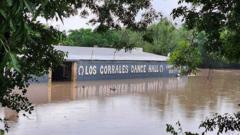
A Texas region hammered by catastrophic floods last year is facing another deluge, with at least one confirmed death. The area, which suffered more than 130 fatalities during last year's flooding event, now confronts renewed danger as heavy rains sweep through vulnerable communities.
The recurring devastation underscores the compounding climate risk facing Texas. Infrastructure in flood-prone zones continues to face repeated assault, leaving residents with limited recovery time between disasters. Emergency services are mobilizing across the region as waters rise, with evacuations underway in low-lying areas.
The overlap of these two disaster zones reveals a troubling pattern. Communities that endured months of rebuilding and recovery from the previous flooding now brace for similar destruction. Structural damage from the earlier event may amplify vulnerability to new flooding, compromising buildings and drainage systems that haven't fully recovered.
Texas flooding has intensified in recent years as warming waters in the Gulf of Mexico fuel stronger storms. Climate data shows precipitation events are becoming more extreme and concentrated in specific regions. The state's geography and coastal position make it particularly susceptible to tropical systems that stall and dump historic rainfall volumes.
The repeated strikes on the same communities raise questions about long-term resilience and evacuation protocols. Residents face both immediate physical danger and the psychological toll of cycling through disaster preparation and recovery without adequate breathing room. State and federal resources will strain as response efforts continue across multiple affected areas.
Local officials continue monitoring water levels and issuing shelter-in-place orders as the situation develops. The death toll may climb as rescue operations continue and full damage assessments emerge.