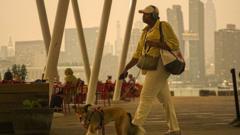
More than 800 wildfires are raging across Canada, pushing hazardous air quality warnings into the United States. Michigan, Minneapolis, and Minnesota face "hazardous" air quality alerts as smoke from the blazes crosses the border.
The scale of the Canadian wildfire season reflects broader climate patterns affecting North America. Wildfire season in western Canada typically peaks in summer months, but the intensity and geographic spread this year has caught the attention of both national and regional authorities on both sides of the border.
Air quality index readings in affected US cities have climbed into dangerous territory. People in these regions face health risks including respiratory complications, particularly for vulnerable populations like children, the elderly, and those with asthma or heart conditions. Schools have adjusted outdoor activities. Local health departments urge residents to limit exposure and use air filtration masks.
The cross-border smoke reflects how environmental crises operate regionally rather than in isolation. Canadian provinces managing the fires coordinate with US agencies including the Environmental Protection Agency and the National Weather Service to track air movement and issue timely warnings.
Wildfire smoke contains particulate matter that travels hundreds of miles. The visibility degradation in affected areas forces adjustments to daily life. Airlines have issued travel advisories. Outdoor events have been postponed or moved indoors.
This fire season underscores the growing frequency of large-scale wildfire events across North America. Climate conditions including elevated temperatures and reduced precipitation create ideal conditions for fire spread. Officials expect the situation to persist until weather patterns shift or containment efforts gain ground.