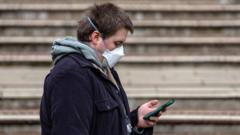
Meningitis spreads through respiratory droplets when infected or carrier individuals cough, sneeze, or talk in close proximity to others. The bacteria settles in the nose or throat, where some people remain asymptomatic carriers while still transmitting the infection to vulnerable contacts.
Early symptoms include sudden onset fever, severe headache, and stiff neck. Patients often experience nausea, vomiting, and sensitivity to light. A rash may develop, typically starting on the trunk and spreading across the body. Confusion, drowsiness, and convulsions can occur in advanced cases. In infants, symptoms differ. They may display irritability, poor feeding, bulging fontanelle, or lack the classic neck stiffness seen in older children and adults.
The disease progresses rapidly. Some individuals deteriorate within hours of symptom onset. Bacterial meningitis poses the highest mortality risk, particularly meningococcal strains, which kill 10-15 percent of infected people even with treatment. Survivors face potential long-term complications including hearing loss, brain damage, and limb amputation.
Close contacts require immediate medical attention and prophylactic antibiotics. Healthcare workers, college dormitory residents, and military personnel face elevated transmission risk. Vaccination offers protection against several meningitis strains, though no single vaccine covers all causative organisms.
Prompt diagnosis through lumbar puncture and cerebrospinal fluid analysis determines bacterial versus viral infection, guiding treatment decisions. Bacterial cases require immediate antibiotic administration. Time spent delaying treatment directly correlates with worse outcomes. Medical professionals recommend seeking emergency care at any sign of meningitis symptoms, particularly the triad of fever, headache, and neck stiffness appearing suddenly.