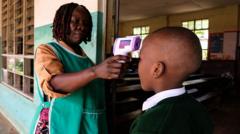
Uganda discharged its final Ebola patient on Tuesday, marking the end of an outbreak that killed 142 people across the country. The patient, a 24-year-old woman, walked out of Mubende Regional Referral Hospital after recovering from the Sudan strain of Ebola virus disease.
Uganda confirmed its first case in September 2022. The outbreak spread rapidly through the densely populated Kampala region before health authorities contained it through isolation protocols, contact tracing, and community education campaigns. The country recorded 224 confirmed and probable cases total. Health officials credited swift government response and coordination between local and international health teams for bringing the outbreak under control.
The discharge represents a rare success story in the global fight against Ebola. Uganda's health ministry has now begun a 90-day post-outbreak surveillance period to ensure no resurgence occurs. This protocol follows WHO guidelines for declaring outbreaks officially over.
The timing carries weight. WHO Director-General Tedros Adhanom Ghebreyesus warned simultaneously that the Ebola outbreak ravaging the Democratic Republic of Congo shows no signs of slowing. The DRC outbreak has recorded significantly higher fatality rates and continues spreading through multiple provinces. The contrast underscores the difference infection control measures and healthcare infrastructure make in containing hemorrhagic fevers.
Uganda's success provides a blueprint for other African nations facing Ebola threats. The country's Ministry of Health emphasized the importance of early detection, rapid isolation of cases, and transparent communication with communities. Health workers remained at the center of outbreak response, with over 400 healthcare personnel deployed to affected areas.
International support proved essential. Teams from the CDC, Médecins Sans Frontières, and other organizations worked alongside Ugandan health officials. Funding from the World Bank and bilateral partners allowed rapid scale-up of treatment facilities and testing capacity.
Uganda now faces the challenge of maintaining surveillance systems while rebuilding trust in healthcare services. Stigma around Ebola caused some patients to delay seeking care during the outbreak. Health authorities plan community engagement programs to prevent similar delays in future disease emergencies.