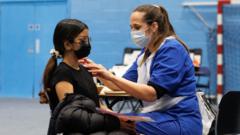
UK health advisers have called for the government to expand meningitis B vaccination to teenagers aged 15 and older following a deadly outbreak in Kent earlier this year that killed two people.
The Joint Committee on Vaccination and Immunisation (JCVI) made the recommendation after assessing the outbreak's severity and transmission patterns. Currently, the MenB vaccine targets infants and young adults up to age 23 in catch-up campaigns, but teenagers aged 15-17 fall into a gap in coverage.
The Kent outbreak highlighted vulnerabilities in the existing immunization schedule. Meningitis B spreads rapidly in close-contact settings like schools and universities, making adolescents a high-risk group during peak social interaction years. Two fatalities underscore the vaccine's public health importance, particularly as MenB cases have risen incrementally across the UK in recent years.
Introducing universal vaccination at age 15 would align with how several other European nations handle MenB protection. The move addresses a critical window where teenagers remain susceptible before attending university or other congregate settings where transmission accelerates. Current NHS programs offer catch-up vaccines to older students, but a routine adolescent dose would standardize protection across the population.
The recommendation now moves to the Department of Health and Social Care for policy consideration. Implementation would require budget allocation and logistical planning through schools and GP practices. Public health officials emphasize that routine vaccination at 15 represents the most efficient approach to preventing future clusters and reducing deaths among teenagers.
This follows established science showing MenB vaccines carry strong safety profiles and generate robust immune responses in adolescents. The timing of the recommendation reflects lessons learned from the Kent outbreak and demonstrates how disease surveillance informs vaccine strategy adjustments.