# Beat the Heat: What to Eat and Drink During a Heatwave
Heatwaves demand dietary shifts. Heavy meals that spike metabolism work against you when temperatures soar, so protein intake becomes a strategic decision rather than a blanket recommendation.
BBC Health breaks down the science. High-protein meals generate more body heat through thermogenesis, the energy required to digest food. During extreme heat, moderating protein consumption helps your body retain less internal heat. This doesn't mean cutting protein entirely. Instead, shift timing. Lighter protein sources like fish, Greek yogurt, and legumes digest more efficiently than heavy red meat or thick dairy products that linger in the stomach.
Hydration tops everything. Water remains non-negotiable, but electrolyte-rich drinks restore sodium and potassium lost through sweat. Coconut water, coconut water-based drinks, and diluted sports drinks replenish what water alone cannot.
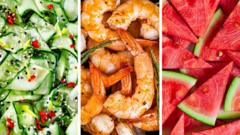
Cold fruits and vegetables cool you from the inside out. Watermelon contains 92 percent water and natural sugars that provide energy without digestive strain. Cucumbers, berries, and leafy greens follow suit. Gazpacho and cold soups offer nutrition without firing up the kitchen.
Skip the obvious trap foods. Spicy dishes raise body temperature. Caffeine acts as a diuretic, draining hydration reserves. Alcohol compounds this effect.
Frozen options work when creativity matters. Frozen grapes deliver texture and refreshment. Greek yogurt popsicles combine protein with cold relief. Smoothies blend convenience with nutrition, though high-sugar commercial versions defeat the purpose.
Timing matters too. Eating smaller meals frequently prevents metabolic overload. A light breakfast, mid-morning snack, modest lunch, and dinner several hours before bed distributes caloric intake across cooler parts of the day.
The rule holds simple. During heatwaves, eat what cools you. Avoid what heats you. Your body's thermoregulation system works hard enough already.