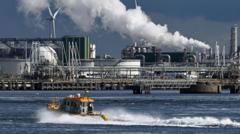
A environmental lawsuit is pressuring the Port of Rotterdam, Europe's largest cargo hub, to accelerate its transition away from fossil fuel infrastructure and operations.
The legal action targets the Dutch port's continued reliance on oil and gas clients at a time when EU climate commitments demand faster decarbonization. Rotterdam handles roughly 470 million tons of cargo annually and serves as a critical logistics node for petrochemical refineries, LNG terminals, and traditional energy suppliers across the continent.
The lawsuit argues that Rotterdam's current sustainability timeline falls short of what climate science and European Green Deal obligations require. Plaintiffs contend the port has failed to adequately reduce emissions from terminal operations, shipping activities, and the industrial clients it serves. The case signals growing legal pressure on infrastructure operators to treat climate action as urgent rather than gradual.
Rotterdam's leadership has pledged net-zero goals by 2050, but critics say the timeline allows too much continued investment in fossil fuel handling. The port's business model depends heavily on energy sector revenues. Shifting away from petrochemicals and LNG represents a fundamental economic restructuring for one of the world's busiest shipping gateways.
This lawsuit joins a wave of European climate litigation targeting major polluters and public institutions. Similar cases have targeted governments, energy companies, and now infrastructure operators. Courts increasingly recognize standing for environmental groups and citizens to demand faster climate action.
For Rotterdam, the pressure is especially acute. As Europe's gateway for crude oil imports and a major LNG distribution point, the port faces pressure from multiple directions. EU regulations push toward green shipping and decarbonized supply chains. Activists demand immediate change. Yet terminal operators and energy firms that fund port expansion resist aggressive timelines.
The outcome could force Rotterdam to substantially restructure its terminal usage agreements, accelerate renewable energy infrastructure investments, and redirect business away from fossil fuel clients. It may also set precedent for other European ports facing similar climate liability questions.