The UK faces another week without meaningful rainfall as a persistent heatwave tightens its grip across the country. The dry conditions extend an already severe drought pattern that has defined this summer, with meteorologists offering no relief in the immediate forecast.
This weather system compounds challenges already facing British agriculture, water suppliers, and ecosystems. The combination of sustained heat and absent precipitation creates dangerous conditions for wildfire risk and strains water resources during peak demand periods. Reservoirs across multiple regions have dropped to critically low levels, prompting water companies to implement restrictions and conservation measures.
The BBC's meteorological team, led by analyst Ben Rich, indicates that atmospheric patterns blocking typical rain systems show no signs of breaking down within the next seven days. High pressure systems anchored over the British Isles continue to deflect Atlantic weather fronts northward, leaving the UK in a zone of stagnant, dry air.
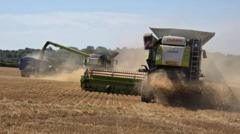
Summer 2023 has already set records for consecutive dry days in parts of England and Wales. The lack of precipitation combined with above-average temperatures has accelerated soil moisture depletion and stressed vegetation. Farmers report significantly reduced crop yields, while gardeners and homeowners face garden restrictions in many areas.
Water authorities have escalated drought response protocols. Some regions have imposed hosepipe bans, and discussions around temporary use bans loom as reservoir levels continue declining. Longer-range forecasts suggest potential relief may arrive only in late August or early September, too late for many crops approaching harvest.
The extended heatwave also carries public health implications. Heat-related NHS admissions have increased, particularly among vulnerable populations. Public health messaging emphasizes hydration and heat safety as temperatures remain elevated.
This weather pattern reflects broader climate trends affecting Northern Europe, with climate scientists noting that extreme heat and drought events are becoming more frequent and intense.