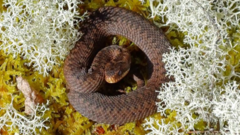
Conservation workers in southwest Scotland are building specialized shelters to protect adders, slow worms, and common lizards at a peatland site near Dumfries. The structures, constructed from peat, fallen tree material, and brash, provide essential refuge for these reptiles in their natural habitat.
The initiative addresses habitat loss and degradation in Scottish peatlands, ecosystems that support diverse wildlife while storing vast carbon reserves. Peatlands have shrunk significantly across Scotland due to drainage, afforestation, and development. Reptiles in these environments face mounting pressure from reduced shelter, altered hydrology, and fragmented populations.
Adders represent Scotland's only native venomous snake and face declining numbers throughout Britain. Slow worms, despite their legless appearance, are lizards rather than snakes and struggle when suitable cover disappears. Common lizards similarly depend on undisturbed ground with adequate refugia for hibernation, breeding, and predator avoidance.
The shelter construction strategy mimics natural microhabitats that reptiles would typically find beneath logs, stones, and dense vegetation. By layering peat and woody material, workers create insulated spaces where reptiles can thermoregulate, breed, and survive harsh winters. This approach costs far less than extensive habitat reconstruction while delivering immediate benefits.
The Dumfries project reflects broader efforts to restore Scottish peatlands for both wildlife and climate benefit. Peatland restoration generates multiple ecological wins. It halts carbon loss, rebuilds water storage capacity, and reopens habitat corridors for species dependent on these systems.
Local conservation groups and government bodies increasingly recognize that protecting reptiles in peatlands requires active management. Passive protection alone proves insufficient when degraded conditions persist. These shelter projects demonstrate how targeted, low-cost interventions can reverse population declines and restore ecosystem function.