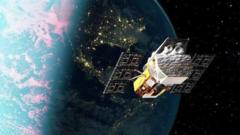
NASA launched a robotic mission to intercept and salvage a deteriorating space telescope before atmospheric reentry destroys it. The autonomous spacecraft will rendezvous with the failing observatory in orbit, secure it, and perform a controlled deorbit to prevent hazardous debris from striking populated areas on Earth.
This marks the first time NASA has attempted active debris removal at scale. The mission deploys advanced robotics designed to grapple and maneuver a defunct satellite without prior docking mechanisms. Engineers developed specialized capture technology because the target telescope lacks standard connection ports, requiring precision autonomous navigation and contact procedures in the vacuum environment.
The falling telescope posed dual risks. Uncontrolled reentry would scatter debris across Earth's surface, potentially damaging infrastructure and endangering lives. Leaving it in deteriorating orbit extended that window but guaranteed eventual collision with the atmosphere. The robotic capture solution offers a third path: controlled descent into a designated oceanic impact zone where debris sinks beyond recovery.
This operation reflects NASA's broader pivot toward space sustainability. As orbital congestion worsens from decades of satellite launches and mission fragmentation, uncontrolled reentry events multiply. The agency now treats active debris removal as infrastructure maintenance rather than pure science fiction.
The technology tested here carries implications for future missions. If successful, similar capture and deorbit operations could manage other aging satellites reaching end-of-life. Commercial operators and international space agencies are watching closely. The economics of debris removal remain unfavorable today, but proving reliable, affordable methods could shift orbital management standards industry-wide.
Launch occurred from a West Coast facility with multiple backup systems and failsafes built in, reflecting the operation's experimental nature. Success requires flawless autonomous operations across multiple rendezvous phases in the harsh space environment.