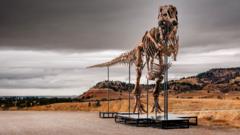
A pristine 67-million-year-old Tyrannosaurus rex skeleton heads to auction in New York with an estimated pre-sale value of $30 million, positioning it as the most expensive fossil ever sold. The specimen's record-breaking price tag, however, signals a widening rift between commercial fossil dealers and the scientific community.
Paleontologists express frustration that major specimens increasingly vanish into private collections rather than entering public museums or research institutions. When wealthy collectors or foreign buyers acquire complete skeletons like this T. rex, the bones become inaccessible to scientists studying dinosaur biology, evolution, and anatomy. Museums operate on tight budgets and cannot compete with private bidders willing to spend tens of millions on single specimens.
The auction market has inflated fossil values dramatically over the past two decades. Major dinosaur skeletons routinely fetch $5 million to $20 million, with rarer specimens commanding even higher prices. Dealers argue these sales fund excavations and drive public interest in paleontology. Critics counter that the commercial incentive corrupts scientific priorities. Excavation teams now prioritize completeness and condition for auction appeal rather than geological context or research potential.
This T. rex sale crystallizes the tension. The skeleton is scientifically valuable because it's nearly complete and well-preserved, yet these exact qualities make it priceless to collectors. Once purchased privately, researchers lose the chance to conduct non-invasive imaging, comparative analysis, or studies that could reshape understanding of theropod biomechanics or pathology.
Paleontologists have called for regulation or export restrictions on significant fossils, but enforcement remains weak internationally. Museums have increased fundraising efforts to compete in auctions, yet institutional budgets cannot match private wealth. The New York sale underscores a fundamental problem: the commercial fossil market now determines which specimens advance science and which disappear from public knowledge.