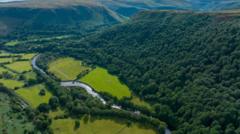
The Royal Society for the Protection of Birds (RSPB) purchased 96 hectares of land in Gallt-y-bere, Wales, in a conservation effort designed to reconnect fragmented habitats and strengthen protection for species of international significance. The acquisition addresses a long-standing gap in habitat connectivity across the region.
The land purchase allows the RSPB to expand its conservation footprint and create continuous corridors for wildlife movement. Fragmented habitats isolate populations, reducing genetic diversity and limiting species' ability to adapt to environmental pressures. By consolidating control over this landscape, the organization can implement coordinated management strategies across previously separated areas.
Gallt-y-bere represents a landscape of ecological importance. The region supports diverse bird populations and other fauna dependent on specific habitat conditions. The RSPB's ownership enables systematic habitat restoration, including scrub management, wetland enhancement, and woodland protection measures tailored to local species requirements.
This purchase reflects broader conservation strategy across the UK. Protected areas remain vulnerable when they lack buffer zones or when private land use fragments ecosystems. Strategic land acquisition allows conservation bodies to scale habitat restoration and species management beyond existing reserves.
The initiative aligns with recovery targets for species listed under international protection frameworks. Habitats supporting migratory birds, breeding waders, and rare upland species require landscape-scale management beyond single-site protections. The expanded RSPB holding in Gallt-y-bere enables year-round stewardship and monitoring protocols.
Local conservation efforts benefit from improved habitat quality and increased corridor connectivity. Wildlife corridors reduce mortality from fragmentation and enable natural population fluctuations across larger geographic areas. The purchase demonstrates investment in long-term biodiversity outcomes rather than short-term conservation patches.