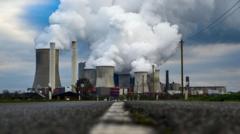
Germany's energy crisis is forcing a reckoning with coal. The country had committed to phasing out coal by 2030, but surging natural gas prices, accelerated by Russia's invasion of Ukraine and energy supply disruptions, are making coal a tempting fallback.
The math is stark. Natural gas costs have tripled in Europe since 2021, making coal-fired plants suddenly competitive again. Germany generates about 40% of its electricity from renewable sources, but when wind and solar falter, the nation needs dispatchable power. Coal plants can fill that gap cheaply.
This puts Berlin in an awkward position. The government pledged to exit coal entirely, aligning with European Union decarbonization targets and climate commitments. Reactivating coal contradicts those goals. Yet the alternative is energy rationing, industrial shutdowns, and soaring household bills that risk social backlash.
Some German utilities have already started reopening mothballed coal facilities. Operators argue these plants are temporary stopgaps while renewable capacity expands and liquified natural gas import infrastructure comes online. Others see it as a practical pivot that acknowledges reality.
The debate reflects a broader European energy scramble. Poland, Austria, and other nations face similar pressures to restart coal. The renewable transition remains the long-term strategy, but short-term survival demands pragmatism.
Germany's situation underscores a hard truth for the green energy movement. A rapid, forced retreat to fossil fuels weakens climate credibility and legitimizes arguments that decarbonization costs jobs and reliability. The government must thread a needle: using coal tactically without abandoning the 2030 deadline, while accelerating gas alternatives and renewables deployment to make the exit sustainable.