The US launched a major airstrike campaign targeting Iranian military installations, with Central Command reporting 90 targets struck in the latest wave of operations. The Iranian health ministry confirmed 14 deaths since Tuesday as tensions between the two nations escalated sharply.
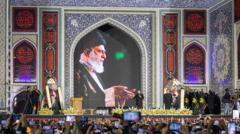
The strikes occurred as Iran buried Supreme Leader Ayatollah Ali Khamenei, marking a period of significant upheaval in Tehran's leadership. Iran responded to the US attacks with its own military action, intensifying the tit-for-tat cycle that has defined US-Iran relations in recent months.
Centcom's extensive bombing campaign targeted what the command described as Iranian military infrastructure and Revolutionary Guard positions. The scale of the operation, hitting 90 separate targets, represented one of the largest direct US military actions against Iranian assets in recent years.
The timing of these strikes during Khamenei's funeral created a stark contrast between Iran's internal political moment and escalating military confrontation with the United States. Iran's leadership faced both the ceremonial duties of burying the nation's most powerful figure and responding to direct military threats.
The death toll remained contested between US and Iranian accounts, with the Iranian health ministry reporting 14 casualties since Tuesday. The broader regional implications of this escalation extended beyond immediate casualties to questions about whether the cycle of attacks would continue or if diplomatic channels might open.
The succession of strikes and counterstrikes suggested both nations remained locked in direct military confrontation with no clear off-ramp. Iran's response to the US attacks indicated its willingness to engage militarily despite the simultaneous transition in its top leadership following Khamenei's death.