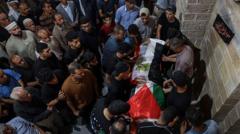
Mohammed al-Wahidi, a Gaza-based aid worker and humanitarian organizer, was killed in an Israeli strike. The Palestinian community mourned the loss of a figure who had gained prominence for his efforts to bring moments of normalcy to civilians during the Israel-Hamas conflict, including organizing World Cup screenings that provided rare relief to residents trapped in the war zone.
Al-Wahidi worked across multiple humanitarian initiatives throughout the siege, coordinating aid distribution and community gatherings despite the ongoing bombardment. His World Cup events became symbolic of resistance to the dehumanizing conditions of war, offering Gazans temporary escape from the violence and destruction surrounding them. Local sources described him as deeply embedded in civil society efforts to sustain civilian morale and basic services.
The strike that killed al-Wahidi adds to the mounting toll on Gaza's humanitarian infrastructure. Throughout the war, aid workers and community organizers have faced repeated targeting, complicating relief efforts in a territory facing severe food and medical shortages. His death underscores the dangers faced by those attempting to maintain civil functions and human dignity under military operations.
Palestinian officials and humanitarian organizations condemned the strike, with supporters highlighting al-Wahidi's non-combatant status and his focus on civilian welfare rather than military activity. The incident reflects broader tensions over civilian targeting and the protection of humanitarian workers operating in conflict zones, issues central to international humanitarian law debates surrounding the Gaza war.