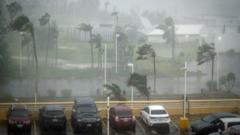
Super Typhoon Bavi pounded the US Pacific territories with extreme force, bringing destructive winds that threatened lives and infrastructure across the Mariana Islands. The storm made direct contact with Rota, one of the smaller inhabited islands in the chain, while Guam braced for impact as emergency warnings spread across the territory.
The typhoon's intensity posed a severe threat to power grids, homes, and transportation networks across the region. Residents of Guam and neighboring islands faced orders to shelter in place as wind speeds climbed to typhoon-force levels. The Mariana Islands, located roughly 1,500 miles east of the Philippines in the western Pacific, sit in a zone vulnerable to seasonal tropical cyclones, but storms of Bavi's scale remain destructive outliers.
Bavi's track came as the Pacific hurricane season continued its active pace. The storm's movement followed typical patterns for late-summer typhoons in the region, though meteorologists flagged the system's rapid intensification as noteworthy. Super typhoons generate winds exceeding 150 mph and create storm surge capable of flooding coastal areas and eroding infrastructure built to older resilience standards.
Emergency management agencies activated response protocols on Guam, including the opening of shelters and distribution of emergency supplies. The US military presence on Guam, significant due to the island's strategic location, also prepared facilities for potential damage. Communications networks faced potential disruption, complicating real-time damage assessments during and immediately after the storm.
The Pacific island territories remain dependent on outside supply chains for fuel, food, and recovery resources. Extended power outages following typhoons can create cascading economic impacts, disrupting water systems and commercial operations. Recovery timelines often stretch weeks or months depending on damage severity and supply-chain delays.