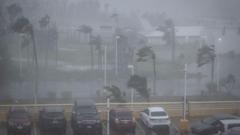
Super Typhoon Bavi slammed into Rota in the US Pacific territory with catastrophic force, delivering sustained winds near 180 mph and gusts exceeding 350 km/h. The storm represents one of the most severe weather events to strike the island in recent memory.
Rota, part of the Northern Mariana Islands, bore the brunt of Bavi's intensity. The extreme wind speeds pose immediate threats to infrastructure, vegetation, and power systems across the island. Residents faced dangerous conditions with little shelter from the typhoon's path.
Super Typhoon Bavi formed in the western Pacific and tracked toward US territories in the Mariana archipelago. The storm's rapid intensification and sustained Category 5 equivalent strength made it a serious threat throughout its approach. Meteorologists tracked the system closely as it approached populated islands in the region.
The Northern Mariana Islands, a US commonwealth located roughly 1,200 miles east of the Philippines, remain vulnerable to Pacific typhoon systems. Infrastructure in the territory is regularly tested by these seasonal storms. Emergency management officials in Rota activated response protocols ahead of the typhoon's arrival, though the extreme winds limited evacuation options and outdoor movement.
Power outages, property damage, and potential flooding accompanied the storm's passage. Communications disruptions typically follow such major typhoons, complicating damage assessment and coordination of recovery efforts. The US Federal Emergency Management Agency and local authorities coordinated disaster response operations.