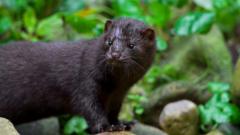
Conservationists in Kent are preparing to cull mink populations by 90 percent across the region in a major ecological intervention. The American mink, an invasive species that escaped from fur farms decades ago, has ravaged native wildlife populations throughout the UK, particularly affecting water voles, ground-nesting birds, and fish stocks.
The dramatic reduction targets the estimated mink population currently established in Kent's waterways and wetlands. American mink arrived in Britain following escapes from commercial breeding operations in the 1950s and 1960s. Without natural predators in their new habitat, the species thrived, spreading across the country and establishing itself as one of the UK's most destructive invasive mammals.
Water voles have suffered the heaviest casualties. Once common across British rivers and streams, their populations collapsed by over 90 percent nationally, with mink predation identified as a primary driver alongside habitat loss. A single mink can devastate local water vole colonies, consuming up to 40 percent of available prey.
The Kent initiative represents an escalation in the UK's approach to invasive species management. Rather than accepting mink as permanent residents, conservationists recognize that aggressive culling during the early stages of invasion offers the best chance of reducing populations before they become entrenched. The strategy involves trapping and removal operations across critical waterway habitats.
This effort aligns with growing conservation consensus that active intervention, not passive acceptance, protects native species. Similar programs operate across other UK regions, though the 90 percent reduction target in Kent stands among the most ambitious. Success depends on sustained funding, coordinated trapping efforts, and preventing mink recolonization from neighboring areas where populations remain unchecked.
The project underscores the ongoing challenge posed by invasive species to British ecosystems and the resources required to reverse decades of ecological damage.