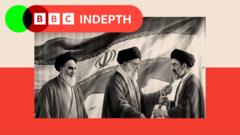
Iran's power structure undergoes a decisive shift following Ayatollah Khamenei's death. The funeral itself signals transformation across Tehran's political landscape, marking the end of an era defined by one man's four-decade grip on the Supreme Leader office.
The new regime enters uncharted territory. Unlike Khamenei's centralized control, Iran's fresh leadership operates through a different power-sharing model. Initial signals from the transition suggest less ideological rigidity in foreign policy, though domestic control remains absolute. The new Supreme Leader inherits institutional machinery built by Khamenei but faces pressure from younger factions within the Revolutionary Guards and parliament who demand modernization.
Economic reform tops the agenda. Iran's currency has deteriorated, youth unemployment spirals, and the private sector desperately needs foreign investment. The new regime quietly signals openness to negotiations that Khamenei consistently rejected. Officials hint at possible nuclear talks without the theatrical confrontation that defined previous administrations.
Domestically, the crackdown apparatus stays intact. Security forces maintain surveillance networks and internet controls. But rhetoric shifts noticeably. References to "Islamic Republic," dropped repeatedly under Khamenei, resurface. This suggests the new leadership emphasizes state legitimacy over pure religious authority.
The transition also reshuffles regional power plays. Khamenei's proxy wars in Syria, Lebanon, and Yemen remain costly. The incoming team debates whether maintaining these commitments serves Iranian interests or drains resources needed at home. Intelligence officials reportedly favor rebalancing priorities toward domestic stability.
Street-level Iranians watch cautiously. Khamenei's death sparked neither celebration nor widespread mourning, reflecting decades of disconnect between ruling clerics and ordinary citizens. The new regime's first test comes with whether it can address joblessness, inflation, and social freedoms without dismantling the Islamic system itself. Early moves suggest pragmatism over ideology will guide decision-making, but consolidating power takes months, not weeks.