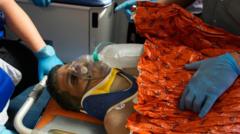
A Venezuelan man pulled from the rubble of a collapsed multi-storey car park after eight days trapped underground survived one of the longest rescues in recent memory. Hernán Gil was buried when the structure caved in, leaving him pinned beneath concrete and metal debris in near-total darkness.
Rescue teams worked continuously to extract Gil from the wreckage, using heavy machinery and manual labor to carefully remove layers of rubble without triggering a secondary collapse. The operation tested the limits of survival and rescue coordination, with workers navigating unstable debris fields to reach him. Gil's rescue marks a remarkable outcome in a country where infrastructure collapse and emergency response capacity remain ongoing concerns.
Surviving eight days without consistent access to water, food, or ventilation pushes the boundaries of human endurance. Rescue efforts of this duration require sustained coordination between multiple teams, equipment specialists, and local authorities. The successful extraction of a survivor from such extreme conditions demonstrates both the resilience of rescue workers and the determination needed to recover someone from a complete structural failure.
Venezuela faces regular challenges with aging infrastructure and limited resources for emergency response. The car park collapse and Gil's eight-day ordeal highlight the risks facing citizens in structures that lack proper maintenance or safety oversight. His survival and extraction provided a rare positive outcome amid the country's broader infrastructure crisis.