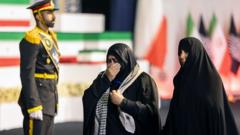
Iran launched a nationwide public mourning period Friday for Ayatollah Ali Khamenei, the Supreme Leader who died in February. His body lies in state at Tehran's Grand Mosalla, where crowds gathered to pay respects ahead of multi-day funeral proceedings.
Khamenei, who led Iran since 1989, shaped decades of Iranian foreign policy and domestic governance. His death marked a seismic shift for the Islamic Republic, which faces succession questions and international scrutiny over regional influence. The funeral represents one of Iran's largest state rituals, orchestrated to consolidate power and project stability during transition.
The public mourning demonstrates the regime's control over ceremonial messaging. State media framed the events as expressions of national grief, though Iran's internal divisions over Khamenei's legacy remain unresolved. Conservatives rallied around continuity. Reform-minded factions questioned the path forward.
The timing carries geopolitical weight. Iran navigates nuclear negotiations, regional tensions with Israel and Gulf states, and domestic economic pressures. Khamenei's successor will inherit these challenges. The funeral's scale signals the regime's determination to present unified strength to adversaries and allies alike.
Attendance at the Grand Mosalla reflected Iran's complex social fabric. Supporters and the state-mandated mourners coexisted. International observers watched for clues about which faction would shape Iran's next chapter. The succession remains unsettled despite initial statements from senior clerics and military commanders.
The funeral ceremonies extended across days, featuring processions, prayers, and speeches from senior officials. These events served dual purposes: honoring a leader who defined modern Iran and telegraphing institutional continuity during vulnerable transition.