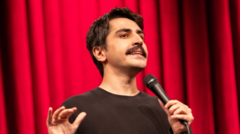
Turkish authorities detained stand-up comic Deniz Göktaş after his performances drew accusations of insulting President Recep Tayyip Erdogan and Islam. Göktaş ranks among Turkey's most recognizable comedians, known for sharp social commentary that frequently targets political figures and religious institutions.
The charges center on statements made during his stage routines. Turkish law criminalizes speech deemed to incite hatred and hostility, a provision the government applies selectively to limit dissent. Authorities specifically cited jokes referencing Erdogan and Islamic matters as violations of these laws.
The detention reflects Turkey's deteriorating record on free expression under Erdogan's rule. Stand-up comedy has become an increasingly risky medium in the country, with comedians self-censoring or facing legal consequences for material that challenges authority. Previous performers have suffered similar fates, forced to apologize or abandoned by venues fearful of prosecution.
Göktaş built his career on irreverent humor targeting the ruling AKP party and religious conservatives. His popular social media presence and packed venues made him a visible figure in Turkey's shrinking comedy scene. The arrest signals state intolerance for comedy that pierces the political establishment.
This move fits a broader pattern of suppressing dissent in Turkey. Journalists, academics, and activists face harassment under vague laws on terrorism and incitement. The Erdogan government employs these statutes to eliminate criticism across all platforms, from traditional media to streaming content to live performance.
The detention raises questions about whether Turkey's comedy scene can survive continued state pressure. International observers view the arrest as another indicator of backsliding on democratic freedoms. Turkish comedians increasingly perform self-censored material or move abroad to work without legal threat.