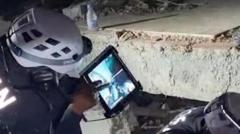
Rescuers pulled a three-year-old child alive from earthquake rubble in Venezuela's La Guaira state six days after a powerful tremor struck the region. Video footage captured the moment the child emerged from the debris, with rescue workers cheering as they extracted the toddler and rushed the child to hospital for medical evaluation.
The rescue underscores the dramatic window of survival that sometimes opens in major earthquake disasters. Children and smaller individuals can survive extended periods under collapsed structures due to small air pockets and lower oxygen demands. This extraction came well beyond the critical 72-hour period when rescue efforts typically yield fewer survivors, making the discovery particularly remarkable.
La Guaira, a coastal state north of Caracas, experienced significant structural damage from the earthquake. The quake devastated residential areas and left many residents displaced or missing. Recovery and rescue operations continued in the days following the initial disaster as teams searched through collapsed buildings for additional survivors.
Venezuela has faced repeated natural disasters in recent years, straining the country's already fragile infrastructure and limited emergency response resources. The successful extraction of this child offered a rare moment of hope during an otherwise catastrophic event for the region.
The child's condition upon arrival at the hospital remained under observation as medical staff assessed injuries sustained during the six-day entrapment. Survival stories from major earthquakes remain uncommon after such extended periods, making this rescue a notable example of the resilience of young children and the persistence of rescue operations in disaster zones.