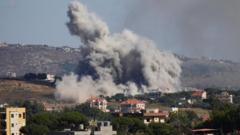
Israel and Hezbollah have reached a ceasefire agreement, according to US officials, marking a potential de-escalation after months of cross-border strikes that threatened to destabilize the entire region. The truce comes as international pressure mounted to prevent the conflict from widening into a broader confrontation between Israel and Iran.
US-brokered negotiations yielded the agreement, which aims to halt rocket fire from Lebanon and Israeli airstrikes in return. The deal carries particular weight because continued fighting risked dragging the United States and Iran into direct conflict, undermining existing diplomatic efforts in the Middle East.
However, reports of additional Lebanese strikes surfaced even as the ceasefire was being announced, casting doubt on its immediate implementation. Military operations often continue during the transition period between negotiation and enforcement, but any violations could quickly unravel the fragile agreement.
The ceasefire reflects Washington's broader regional strategy to contain tensions while managing its complex relationships with Israel and Iran. For Israel, the agreement offers relief from sustained Hezbollah rocket attacks that have prompted civilian evacuations in northern areas. For Lebanon, a truce provides desperately needed breathing room as the country faces economic collapse and humanitarian crisis.
Hezbollah, backed by Iran, had escalated rocket attacks following Israel's military operations in Gaza and targeted killings of senior militant commanders. The group's agreement to stand down suggests either pressure from Tehran or recognition that continued escalation served no strategic purpose.
The ceasefire remains fragile. Both sides maintain military readiness, and past agreements in the region have collapsed within weeks. International monitors and diplomatic presence will test whether this pause holds or represents merely another temporary lull in a decades-old conflict. Success hinges on whether underlying grievances between Israel and Hezbollah can be addressed through sustained dialogue rather than military posturing.