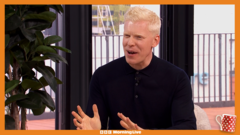
Dr Oscar's BBC investigation cuts through the hype surrounding tooth regeneration claims circulating online. While headlines promise a "third set of teeth," the reality remains far more limited than clickbait suggests.
Current science shows promise in specific areas. Researchers have made headway with dental stem cells and biomaterial scaffolds that could regenerate tooth structures in controlled laboratory settings. Some experiments have successfully grown tooth-like structures in mice, but translating this to human applications remains years away.
The gap between "we grew tooth tissue in a lab" and "humans can regrow teeth" is massive. Human teeth involve complex interactions between multiple cell types, blood vessels, and nerve networks. Adult humans lack the biological signaling that triggers tooth development in childhood. Our bodies simply don't retain the genetic instructions to activate tooth growth naturally.
Regenerative dentistry will likely emerge through incremental advances rather than a single breakthrough. Researchers explore approaches like guided tissue regeneration, where scaffolds coax the body's existing cells to rebuild damaged teeth. Others investigate turning stem cells into specialized dental cells. These techniques show clinical promise for repairing damage, not growing entirely new teeth.
The commercial landscape complicates the narrative. Dental startups capitalize on patient desperation, marketing vague "regenerative" treatments as tooth-growth solutions when the evidence doesn't support such claims. Insurance rarely covers experimental procedures, leaving individuals vulnerable to costly false hope.
For now, dentists manage tooth loss through implants, bridges, and dentures. Adult tooth regeneration remains theoretical. Future breakthroughs could reshape dental care, but sensational headlines describing imminent third sets of teeth misrepresent where the science actually stands. Legitimate research continues, but realistic timelines stretch into decades, not months.