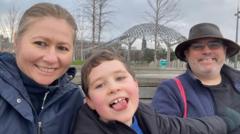
A specialized hair salon in Lowestoft has become a destination for families across the UK who travel hundreds of miles to access services designed for neurodivergent children. Parents report journeys exceeding 530 miles to bring their sons and daughters to the salon, which tailors its approach to accommodate autism, sensory processing differences, and other neurological variations.
The salon modifies standard hairdressing practices to reduce sensory overload. Staff dim lighting, minimize noise, and allow extended appointment windows so children don't feel rushed. Stylists receive training in recognizing signs of distress and adapting techniques on the fly. Some clients arrive with noise-canceling headphones or weighted blankets. The salon permits parents to stay close and offers breaks between sections of cutting.
Neurodivergent children often struggle with conventional salon environments. Bright lights, loud hair dryers, unfamiliar touches, and time pressure trigger anxiety or meltdowns. Many families resort to cutting hair at home or sedating their children for appointments. This Lowestoft salon addresses a genuine gap in accessible services.
The clinic operates by appointment and maintains smaller client loads to preserve the calm environment. Staff communicate clearly about what happens next, removing uncertainty that amplifies anxiety. The approach reflects growing recognition that neurodivergence requires environmental design, not just behavioral accommodation.
The salon's success and reputation have spread through parent networks and social media, creating demand that outpaces local availability. Families treating the journey as essential healthcare rather than optional grooming underscore how specialized, trauma-informed services remain scarce across the UK. The willingness to travel such distances reveals both the desperation for appropriate care and the absence of similar options in most regions.