# Six ways to keep your home and yourself cool in hot weather
As heat waves intensify across regions, the BBC offers practical strategies for managing indoor temperatures without relying solely on air conditioning. The guidance covers both passive cooling methods and behavioral adjustments that reduce energy consumption while keeping homes comfortable.
Effective cooling starts with blocking sunlight. Closing blinds and curtains during the day, particularly on south and west-facing windows, prevents solar heat from entering living spaces. This simple step can lower indoor temperatures noticeably without electricity costs. Strategic ventilation matters too. Opening windows during cooler evening and early morning hours allows fresh air circulation, while sealing them during hot daytime hours traps cooler air inside.
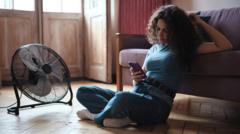
Water-based cooling provides relief at the body level. Taking cool showers or baths reduces core temperature directly. Damp sheets on beds and strategic use of fans create evaporative cooling effects that work even without AC units. Fans circulate air effectively when positioned to pull cooler outside air inward during evening hours.
Behavioral changes support cooling efforts. Reducing internal heat sources like oven use, switching to cooler LED lighting, and minimizing strenuous activity during peak heat hours all help. Staying hydrated keeps the body's temperature regulation functioning optimally.
Home modifications offer longer-term solutions. Improving insulation, using reflective roofing materials, and installing window coverings designed for heat reflection provide sustained benefits during repeated heat events.
These strategies prove especially valuable in regions where air conditioning remains unavailable or unaffordable. Combined approaches work best. Layering multiple techniques, from window management to hydration, creates comprehensive cooling systems that keep homes and occupants comfortable during extended hot weather periods.