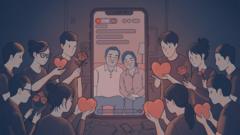
Young people starved for parental validation are turning to "virtual parents," a niche group of online content creators who offer emotional support and encouragement that their biological families won't provide.
The phenomenon centers on middle-aged couples who stream content designed to replicate parental approval. These creators film themselves delivering affirmations, setting boundaries, offering life advice, and celebrating their audience's achievements. The format has exploded in popularity, particularly among Gen Z viewers who report feeling unsupported or criticized at home.
Vincent's story exemplifies the trend. His parents consistently told him his efforts weren't good enough, so he sought validation from virtual parents online. He found creators who celebrated his accomplishments, listened without judgment, and provided the emotional scaffolding his household lacked. For Vincent and thousands like him, these parasocial relationships fill a genuine void.
The rise of virtual parenting reflects broader shifts in how young people seek connection and mental health support. Rather than turning exclusively to friends, therapists, or family, they're constructing blended networks of care that include curated online relationships. Creators typically monetize through sponsorships, Super Chats, and merchandise, turning emotional labor into income.
Mental health professionals have noted both benefits and risks. The positives include accessible emotional support and reduced isolation. The downsides involve dependency on parasocial relationships that can never truly reciprocate, and the potential for exploitation if creators prioritize engagement over genuine care.
The BBC's coverage signals mainstream recognition of a trend that challenges traditional family structures. Whether virtual parenting represents genuine community building or a symptom of fractured social bonds remains contested. What's clear is that young people are actively seeking belonging, and the internet is supplying it.