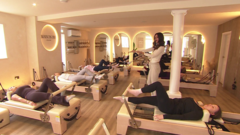
UK reformer pilates studios exploded nearly tenfold over the past year, sparking calls for industry regulation. The rapid expansion has created a Wild West scenario where studios operate without standardized instructor training, safety protocols, or quality oversight.
Reformer pilates, which uses specialized spring-loaded machines, demands precision and proper form to avoid injury. Yet the boom has attracted entrepreneurs with minimal pilates credentials opening studios across the country. Instructors lack consistent certification standards, raising concerns among fitness professionals and health experts about potential injuries from improper technique coaching.
The surge mirrors reformer pilates' explosive popularity in the US and Australia, where the fitness trend has become a status symbol in affluent neighborhoods. In the UK, boutique reformer studios charge premium prices (typically £20-30 per class), attracting investment from fitness startups and franchisors eager to capitalize on the wellness trend.
Health advocates argue that without regulation, unqualified instructors could cause serious injury. The equipment amplifies force and leverage in ways that demand expert guidance. A poorly cued squat or core exercise on a reformer can strain the spine, knees, or shoulders more severely than equivalent exercises on a mat.
Calls for oversight center on mandatory instructor certification, equipment safety standards, and studio inspection protocols. Industry leaders acknowledge the need for guardrails to protect both consumers and legitimate businesses invested in proper training.
The fitness industry typically resists government regulation, preferring self-regulatory bodies. UK pilates associations have started developing instructor standards, but enforcement remains voluntary. Without teeth, these guidelines may struggle to reach the dozens of new studios launching monthly.
The UK government has not yet signaled plans to intervene, leaving the sector in regulatory limbo as it grows exponentially.