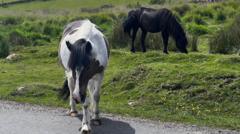
Animal welfare campaigners have raised alarms over new livestock grazing rules on Dartmoor that could devastate the moorland's iconic hill pony population. Environmental regulators are requiring farmers and landowners to reduce grazing levels, citing habitat protection needs. Campaigners now warn this will force a cull of up to 90 percent of the semi-wild ponies that roam the 368-square-mile National Park in Devon.
The ponies, which have grazed Dartmoor for centuries, play a functional role in managing the landscape. Their grazing patterns help maintain open moorland and prevent invasive scrub from overwhelming the terrain. Environmentalists argue the new restrictions will make keeping herds economically unviable, leaving culling as the only option for landowners facing mounting losses.
Conservationists counter that existing pony populations exceed sustainable levels for the moorland's delicate ecosystem. They say unchecked grazing damages rare plant species and degrades habitats that protected birds and insects depend on. The tension reflects a broader clash between traditional land management practices and modern environmental protection standards.
The Dartmoor Pony Heritage Trust and other advocacy groups are now mobilizing to challenge the regulations. They contend that the ponies themselves are part of Dartmoor's ecological heritage and that alternatives to culling exist. Discussions around rotational grazing schemes and modified stocking densities could offer compromise solutions, though no consensus has emerged between stakeholders.
Local farmers argue they lack the resources to meet the new standards without financial assistance or support for alternative income streams. The controversy underscores the difficulty of balancing agricultural livelihoods with environmental mandates in sensitive rural areas.