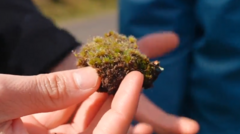
A newly discovered fungus offers unexpected hope for restoring British habitats ravaged by invasive moss. Scientists have identified a species that specifically targets and kills the problematic moss, potentially opening a natural control pathway without chemical interventions.
Invasive moss species have degraded vast stretches of moorland, grassland, and other native ecosystems across Britain. These aggressive plants outcompete native vegetation, reduce biodiversity, and alter habitat structure in ways that harm wildlife dependent on open landscapes. Traditional removal methods rely on labor-intensive clearing or herbicide applications, both expensive and environmentally risky.
The newly identified fungus attacks the invasive moss directly, offering a biological control solution. Early research suggests the fungal species could reduce moss populations significantly while leaving native plants unharmed. This specificity is crucial. Unlike broad-spectrum chemical controls, targeted biological approaches minimize collateral damage to surrounding ecosystems.
If field trials confirm laboratory results, this discovery could transform habitat restoration across Britain. Conservation organizations have long sought alternatives to manual clearing and chemical treatments. A self-sustaining fungal control could work continuously across large areas, reducing ongoing management costs while improving ecological outcomes.
The finding reflects growing interest in harnessing natural predator-prey relationships to solve invasive species problems. Rather than fighting nature directly, ecologists work with existing biological systems. This approach aligns with UK conservation priorities, including rewilding initiatives and habitat connectivity projects.
Next steps involve assessing the fungus's effectiveness in real-world conditions and determining how climate, soil type, and other variables affect its performance. Researchers must also confirm no non-target species suffer harm. If cleared for deployment, the fungus could reshape conservation management on British moorlands and grasslands within years, restoring habitats at scales currently impractical through manual methods alone.