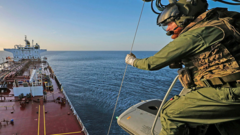
Royal Marines and National Crime Agency officers seized a Russian shadow fleet oil tanker in the English Channel during a six-hour operation early Sunday morning. The boarding marked an escalation in Britain's enforcement against vessels operating outside standard regulatory channels to circumvent international sanctions on Russian oil exports.
Shadow fleet tankers operate with obscured ownership structures and deliberately poor documentation to evade detection while transporting sanctioned Russian crude. The operation demonstrates heightened UK coordination between military and law enforcement to intercept these vessels in British waters.
The boarding reflects growing Western pressure on Russia's alternative shipping networks. Since the 2022 invasion of Ukraine, Moscow has built out a fleet of older tankers, many flying flags of convenience, to move oil at prices below market rates while avoiding price caps and sanctions. These vessels typically operate with disabled tracking systems and engage in ship-to-ship transfers to mask cargo origins.
Britain has positioned itself as aggressive enforcer against sanctions-busting infrastructure. The National Crime Agency's involvement signals this operation targeted not just maritime law enforcement but broader financial crime networks funding Russian crude distribution.
The timing matters. The UK operates in the wider Western strategy limiting Russia's oil revenues. Price caps and sanctions on Russian energy remain central to degrading Moscow's war economy, though Russian shadow fleet activity has expanded despite international efforts. Seizures of individual vessels generate headlines but represent limited impact against a network of hundreds of ships.
The six-hour duration suggests the crew offered resistance or the vessel's condition required careful boarding procedures. Details on the tanker's ultimate disposition and any legal proceedings remain pending. The operation underscores British naval capability in enforcing sanctions rather than relying solely on diplomatic pressure or secondary sanctions on trading partners.