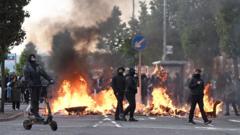
Jonathan Hall KC, the UK's independent reviewer of terrorism legislation, has said that disorder following the Belfast knife attack represents a "destabilising" threat to national security. Speaking to the BBC, Hall defended discussing immigration alongside national security concerns, calling such conversations "absolutely legitimate."
The remarks come after violence erupted in Belfast following a stabbing incident, with groups taking to the streets in protests that escalated into disorder. Hall's framing positions the unrest as a terrorism-related matter within his purview as the government's chief adviser on counterterrorism law.
Hall's willingness to explicitly link immigration discussions to national security reflects broader political tensions across the UK. The comment arrives amid ongoing debate over how British institutions discuss migration policy, particularly following high-profile incidents involving individuals from migrant backgrounds. By characterizing this connection as legitimate, Hall signals that counterterrorism experts can openly examine immigration patterns without being accused of conflating separate policy domains.
The Belfast incident underscores how localized violence can trigger wider civil unrest with national security implications. The disorder itself, rather than the initial knife attack alone, appears to be Hall's focus when describing destabilization. His comments suggest authorities view the subsequent street violence as posing systemic risks to public order and social cohesion in Northern Ireland.
Hall's position carries weight. As an independent reviewer reporting directly on terrorism law effectiveness, his views influence how government agencies balance security operations with civil liberties. His endorsement of linking immigration to security matters provides cover for securitized immigration debates, legitimizing conversations that might otherwise face accusations of conflating separate policy spheres.
The statement reflects how single incidents can reshape national security discourse, with terrorism law experts now actively shaping narratives around both the immediate violence and the broader social conditions underlying it.