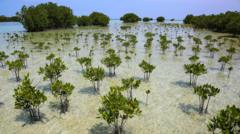
Mangrove forests are rebounding across coastal regions after suffering severe degradation from human activity over recent decades. New research shows these ecosystems are recovering faster than expected, restoring critical habitat and carbon storage capacity.
Mangroves absorb carbon at rates three to four times higher than terrestrial forests, making them essential climate assets. Their root systems also shield coastlines from storm surge and erosion, protecting millions of people in vulnerable regions. Additionally, they serve as nurseries for fish and crustaceans that support regional fisheries worth billions annually.
The recovery stems from a combination of factors. Conservation efforts have intensified across Southeast Asia, West Africa, and the Caribbean, where mangrove loss peaked in the 1990s and 2000s. Several nations enacted protective legislation and launched replanting initiatives. Indonesia, home to roughly 23 percent of the world's mangroves, expanded protection programs. Bangladesh and Vietnam similarly shifted policies toward restoration.
Climate conditions have also aided recovery. Rising sea levels in some regions have created favorable conditions for mangrove establishment in newly inundated areas. Communities dependent on mangrove ecosystems have increasingly recognized their economic and environmental value, shifting from extraction to stewardship.
The comeback remains incomplete. Mangroves still face threats from shrimp farming, coastal development, and agricultural conversion. Global mangrove coverage remains well below historical levels. However, the recovery trajectory demonstrates that degraded ecosystems can rebound when human pressure eases and restoration receives adequate funding and political support.
The trend offers hope for other threatened habitats and illustrates how strategic intervention and policy change can reverse environmental damage within decades rather than centuries.