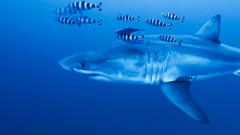
A volunteer diver captured rare footage of an endangered Great White shark in the Mediterranean Sea between Tunisia and Sicily, marking an uncommon sighting in the region. The diver described shaking during the encounter, underscoring both the rarity and intensity of witnessing one of the ocean's apex predators in these waters.
Great White sharks remain scarce in the Mediterranean, with documented sightings sparse enough to make each encounter scientifically valuable. The footage provides researchers with direct observation data on the species' behavior and habitat use in European waters, where population numbers have declined significantly due to overfishing and historical persecution.
The Mediterranean represents only a small fraction of Great White shark habitat globally. Most populations concentrate in cooler Atlantic and Pacific waters off California, Australia, and South Africa. The presence of individuals in the Mediterranean suggests either migration patterns or isolated populations attempting to sustain themselves despite environmental pressures and fishing activity.
This sighting reflects broader conservation efforts across Europe to protect endangered marine species. Mediterranean nations have implemented fishing restrictions and marine protected areas to safeguard critically threatened populations. Volunteer divers and citizen scientists increasingly contribute to monitoring programs, turning recreational diving into actionable data for marine biologists.
The encounter highlights growing public interest in shark conservation. Media coverage of such rare footage shapes public perception, moving sharks from feared predators to recognized ecosystem engineers requiring protection. Each documented sighting strengthens the case for expanded marine reserves and stricter regulations on fishing practices that endanger these apex predators.
For researchers tracking Great White movements, this footage provides geographic and behavioral insights that inform conservation strategies. The volunteer's willingness to document and share the encounter demonstrates how citizen participation advances marine science in regions where dedicated research funding remains limited.