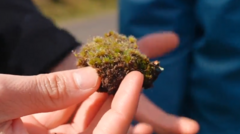
A newly discovered fungus offers potential relief for British ecosystems choked by invasive moss species. Researchers have identified a fungal pathogen that attacks and kills the problematic moss, presenting a natural biological control option for habitat restoration efforts.
Invasive mosses have ravaged native British habitats by outcompeting indigenous plants and altering soil chemistry. Traditional removal methods prove labor-intensive and often ineffective. This fungal discovery could shift the approach toward more sustainable ecosystem management.
The fungus works by colonizing the invasive moss tissue and breaking it down from within. Scientists believe the organism evolved naturally alongside the moss species, making it a compatible biological control agent. Testing remains ongoing to confirm its safety for non-target organisms and broader ecological impacts.
This development aligns with growing interest in using naturally occurring pathogens for invasive species management. Rather than chemical treatments or mechanical removal, the fungus offers a self-sustaining solution. If the moss dies back, native plant communities can reestablish themselves, potentially restoring habitat structure and biodiversity.
British conservation groups have flagged invasive mosses as a priority threat to moorlands, wetlands, and other sensitive ecosystems. The scale of infestation means conventional restoration efforts have struggled to keep pace with moss expansion. A biological control agent could prove transformative for large-scale habitat recovery projects.
Researchers stress that further field trials are necessary before deployment. They must verify the fungus remains specific to the invasive moss species and doesn't harm beneficial organisms. Regulatory approval typically follows controlled testing phases.
If validated, this approach could reshape British habitat management strategies. It offers conservationists a tool that works with natural systems rather than against them, reducing reliance on manual labor and chemical interventions. For habitats currently dominated by invasive moss, the discovery provides genuine hope for ecological recovery.