A new study identifies which fruits and vegetables deliver the most heart-protective flavanols, challenging the one-size-fits-all "five-a-day" messaging. Researchers found that not all produce carries equal nutritional weight when it comes to these compounds, which studies link to better cardiovascular health.
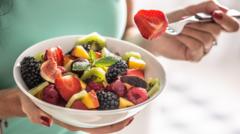
The research pinpoints specific foods that pack the highest flavanol concentrations. Berries, particularly blueberries and strawberries, rank at the top. Dark leafy greens like spinach and kale follow closely. Apples with their skin intact deliver significant doses. Tea and dark chocolate also made the list, though they fall outside traditional produce categories.
Flavanols function as antioxidants that improve blood vessel function and reduce inflammation. Previous research connected regular flavanol consumption to lower blood pressure and reduced heart disease risk. This study sharpens the focus by quantifying which everyday foods provide the biggest bang for the buck nutritionally.
The findings matter because people often assume all fruits and vegetables contribute equally to heart health. A person eating five servings daily might still miss optimal flavanol intake if they're choosing the wrong types. Someone eating blueberries, spinach, and an apple with skin daily would absorb far more heart-protective compounds than someone eating iceberg lettuce, bananas, and potatoes, despite both hitting the five-a-day target.
Public health bodies promoting fruit and vegetable consumption may need to shift messaging. Rather than generic quantity recommendations, guidance could emphasize flavanol-rich choices. This approach acknowledges that nutrient density matters as much as volume.
The study adds to growing evidence that dietary precision beats blanket dietary rules. Instead of just counting servings, consumers gain a roadmap for selecting the most effective foods for cardiovascular protection.