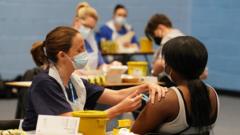
Meningitis B ranks among the deadliest bacterial infections striking teenagers and young adults in the UK. The disease kills roughly one in ten infected people and leaves a third of survivors with permanent brain damage, deafness, or limb loss. Yet the vaccine protecting against it, Bexsero, remains rationed to specific groups rather than rolled out universally.
The meningococcal group B bacterium spreads through respiratory droplets, making close quarters like university dorms and military barracks breeding grounds for outbreaks. Once infection takes hold, meningitis B progresses with terrifying speed. Symptoms arrive suddenly: high fever, severe headache, stiff neck, rash, and confusion. Treatment requires immediate hospitalization and aggressive antibiotics, but even then survival isn't guaranteed.
The UK's Joint Committee on Vaccination and Immunisation (JCVI) restricted Bexsero to high-risk cohorts: teenagers aged 13 to 18, university first-year students, and adults with specific immunocompromising conditions. The rationale centers on cost-effectiveness. Universal vaccination would strain budgets significantly, so officials prioritized groups facing elevated transmission risk.
This selective approach frustrates public health advocates who point to meningitis B's lethality in young people. Every year in Britain, roughly 400 cases occur, with teenagers and students bearing disproportionate burden. Hospitals treating meningitis B patients face weeks-long stays, life-altering complications, and grieving families.
Countries including Spain, Australia, and parts of Canada have adopted broader vaccination schedules, offering Bexsero to all infants or adolescents regardless of risk profile. These programs reflect a different calculus: prevention beats treatment every time.
The NHS faces perpetual tensions between comprehensive protection and fiscal reality. For now, teenagers outside eligible groups remain vulnerable, dependent on standard meningococcal vaccines that don't cover group B strains. Parent campaigns continue pushing for universal access.