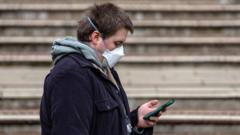
Meningitis spreads through respiratory droplets when an infected person coughs or sneezes, with transmission occurring most readily in close-contact settings like schools, universities, and crowded living spaces. The bacterial form ranks as the most dangerous variant, capable of causing severe illness or death within hours of symptom onset.
Early warning signs include high fever, severe headache, stiff neck, and sensitivity to light. Patients often experience nausea, vomiting, confusion, and a rash that doesn't fade when pressed. Infants may show irritability, drowsiness, or a bulging fontanel instead of classic neck stiffness. The viral form typically causes milder illness with slower progression, while fungal meningitis develops gradually over weeks.
A critical public health reality complicates prevention. Carriers transport meningococcal bacteria in their nasal passages without developing symptoms, yet they shed the pathogen to others. This asymptomatic transmission explains why close contacts of confirmed cases require prophylactic antibiotics even when healthy. Crowded environments dramatically amplify this risk, which is why universities and military barracks experience periodic outbreaks.
Vaccination offers the most effective protection against multiple meningitis strains. Conjugate vaccines targeting serogroups A, C, W, and Y provide strong immunity, while meningococcal B vaccines address an additional high-risk strain. Protection wanes over time, making booster shots necessary for sustained defense.
Diagnosis requires lumbar puncture to extract cerebrospinal fluid for analysis. Treatment demands immediate hospitalization and IV antibiotics, often started before test confirmation given meningitis's rapid progression. Early intervention dramatically improves survival rates and reduces permanent neurological damage. Any suspected case warrants emergency medical evaluation without delay.