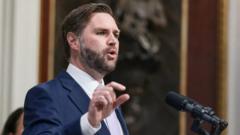
Downing Street has struck back at what it characterizes as divisive rhetoric following Vice President JD Vance's post about Henry Nowak's death. Vance wrote on X that "the only response is righteous anger" in reference to the incident, prompting pushback from the UK government.
A Downing Street spokesperson accused those amplifying the situation of attempting to sow discord. The statement reflects escalating tensions between British officials and the US vice-president over how the death has been framed and weaponized in political discourse.
Vance's post appeared designed to inflame public sentiment around the case. His invocation of "righteous anger" suggests moral justification for strong emotional responses. The language choice carries weight given Vance's platform and influence within the Trump administration.
The UK government's response indicates frustration with what it views as external actors exploiting a tragedy for political gain. Downing Street's decision to publicly call out "people seeking to stir division" signals it won't tolerate what it sees as interference in how British institutions and the public process such events.
The exchange underscores the fraught relationship between the incoming Trump administration and the British government. Vance has already cultivated a public persona willing to criticize US allies, particularly on issues of immigration and national identity. His commentary on Nowak's death aligns with that pattern.
The incident reveals how deaths can become flashpoints in transnational political conflicts. Rather than a moment for shared grief, Henry Nowak's death has become territory where US and UK politicians contest narratives about responsibility, immigration, and national values. Downing Street's aggressive pushback suggests the government views Vance's framing as a threat to public order and social cohesion in Britain.