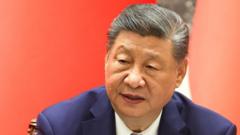
Xi Jinping arrives in North Korea this week for the first presidential visit in 14 years, signaling a strategic reset between China and its most isolated ally. The Chinese leader touches down June 8-9 for talks with Kim Jong Un in Pyongyang.
The timing matters. China faces mounting Western pressure over trade, technology, and regional dominance in Asia. North Korea, economically strangled by sanctions, depends almost entirely on Chinese aid and commerce. Xi's visit puts Beijing's commitment to its neighbor back in focus after years of diplomatic drift.
Historically, China and North Korea share ideological roots and a mutual buffer against Western influence. But the relationship cooled under Xi's watch. His last visit happened in 2013, before North Korea accelerated its nuclear weapons program and before bilateral tensions spiked over China's tacit acceptance of UN sanctions.
What happens in Pyongyang now carries weight for the entire region. South Korea watches closely for signals about denuclearization talks. The United States tracks whether Beijing plans to loosen enforcement of North Korea sanctions. Japan monitors any military coordination between the two allies.
The visit also shores up Xi domestically. After COVID lockdowns and economic slowdown, reasserting China's sphere of influence plays well at home. A reset with North Korea demonstrates Beijing's ability to command loyalty from its neighbors, a core pillar of Xi's vision for a China-centered regional order.
Expect both sides to issue joint statements pledging deeper cooperation on trade and security. Whether they translate to action remains unclear. North Korea's isolation and China's careful balancing act between economic engagement with the West and geopolitical rivalry constrain what either leader can openly commit to. Still, the optics alone matter. Beijing sends a message: North Korea remains squarely in China's orbit, not Washington's.