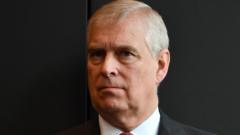
Britain's spending watchdog has launched an investigation into property arrangements involving members of the royal family, with a focus on Andrew Mountbatten-Windsor and subletting activities at Royal Lodge cottages.
The probe centers on whether Andrew has been subletting accommodation at Royal Lodge, a Windsor property that remains under royal control. The watchdog's scrutiny suggests potential questions around the use of public resources and whether appropriate oversight existed for such arrangements.
Royal Lodge sits on Crown Estate land, making the investigation relevant to public accountability. The examination forms part of a broader review of how royals manage their residential properties and related financial dealings.
Andrew stepped back from public-facing royal duties in 2019 following his involvement in the Jeffrey Epstein scandal. His residential arrangements have drawn periodic scrutiny since then, particularly regarding his continued occupation of Royal Lodge despite limited official duties.
The watchdog's intervention indicates government bodies now examine royal property dealings with closer attention than historically occurred. This reflects broader shifts toward transparency and accountability within institutions traditionally granted discretionary privacy.
The subletting revelation raises questions about lease terms, tenant vetting, and whether any income from such arrangements was properly documented or disclosed. Royal properties occupy a unique legal position, neither entirely private residences nor standard commercial assets.
The investigation underscores ongoing tension between royal privilege and public accountability. As monarchy adapts to modern expectations around institutional transparency, oversight of even peripheral royal activities has intensified. This case tests how far scrutiny extends into arrangements that fall outside direct state funding yet involve Crown property.