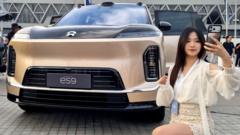
China's electric vehicle manufacturers have seized decisive control over global automotive supply chains and production ecosystems, forcing traditional carmakers across Europe, North America, and Japan into defensive positions.
The BBC's factory visits reveal how Chinese EV makers leverage integrated production systems that Western competitors struggle to replicate. Companies like BYD, NIO, and XPeng operate vertically integrated operations controlling battery production, semiconductor sourcing, and final assembly under one roof. This consolidation slashes costs and accelerates development cycles in ways legacy automakers cannot match with their fragmented supplier networks.
Western carmakers face a two-front crisis. Traditional powerhouses like Volkswagen, General Motors, and Toyota invested heavily in combustion engine expertise for decades. Pivoting to EVs required wholesale organizational restructuring, factory retooling, and supply chain overhauls they're still executing. Chinese competitors built their entire industries around EV production from inception, avoiding legacy constraints entirely.
Battery technology amplifies the gap. Chinese firms secured lithium, cobalt, and rare earth element contracts years ago through government backing and long-term partnerships. They now control production at scales that dwarf Western capacity. BYD alone manufactures more batteries annually than most Western competitors produce vehicles.
The competitive math worsens for traditional automakers through pricing. Chinese EVs undercut Western models by 30 to 50 percent while matching or exceeding performance specs. Tesla, once the EV standard-bearer, faces intensifying price wars with aggressive Chinese manufacturers backed by lower labor costs and streamlined manufacturing.
Government policy tilts further toward Chinese advantage. Domestic incentives for EV purchases, infrastructure investment in charging networks, and industrial subsidies create protected home markets where Chinese brands perfect their products before expanding globally.
Western automakers now race to establish Chinese partnerships, open local factories, and source critical components domestically. Without these moves, losing market share in the world's largest automotive market becomes inevitable.