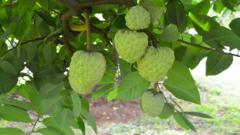
The custard apple is gaining traction in global markets, but the fruit's delicate nature creates serious logistical headaches for producers trying to scale exports. The crop thrives in harsh climates where other fruits struggle, making it attractive to farmers in regions battling drought and poor soil conditions. Its creamy, custard-like flesh commands premium prices in specialty markets, particularly across Asia and increasingly in North America and Europe.
The problem lies in transport. Custard apples bruise easily and spoil quickly, limiting shelf life to just days. Traditional shipping methods damage the fruit before it reaches retailers. Producers are experimenting with controlled-atmosphere containers and advanced packaging to extend viability, but these solutions drive up costs and eat into margins. Cold chain infrastructure in developing nations where custard apples grow most abundantly remains inconsistent, further complicating distribution.
Despite these obstacles, demand continues climbing. Consumers drawn to exotic tropical fruits and plant-based dessert alternatives have pushed custard apples into trendy food media and high-end restaurants. Health-conscious shoppers value the fruit's nutrient density and fiber content. Streaming services and social media have amplified interest in lesser-known crops, making once-regional specialties globally recognizable.
India, the Philippines, and parts of South America dominate custard apple cultivation. Smallholder farmers see the crop as a climate-resilient income source, but they lack access to export-grade facilities and cold storage infrastructure. Investment in post-harvest technology could unlock significant growth, but capital requirements remain steep for communities with limited resources.
The custard apple's story mirrors broader agricultural shifts. As climate change destabilizes traditional growing regions for mainstream crops, hardier alternatives gain relevance. Success depends on bridging the gap between production capacity and distribution capability. Solve the export puzzle, and the custard apple could move from niche delicacy to mainstream staple.