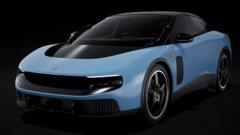
Ferrari shelved plans to market its first electric vehicle, the Luce, after intense backlash from the brand's core fanbase and automotive purists who accused the luxury carmaker of abandoning its heritage.
The Luce represented Ferrari's direct answer to Chinese EV manufacturers flooding the market with sleek, tech-forward vehicles. Instead of the company's signature combustion engine roar and manual transmission legacy, the all-electric Luce drew criticism for straying too far from what made Ferrari Ferrari. Traditionalists argued that removing the engine noise, vibration, and mechanical engagement that defined the brand's identity undermined its core appeal.
Ferrari faces a genuine tension. The automotive industry demands electrification to meet emissions targets and capture the rapidly growing EV market, particularly in China where BYD, NIO, and XPeng have disrupted luxury segments. Yet Ferrari's customer base attaches deep emotional weight to engine performance and analog driving experience. This conflict hits different than it does for mainstream brands.
The decision to pause the Luce launch signals that Ferrari's leadership recognizes it cannot force an EV transition on buyers expecting pure mechanical performance. Unlike Tesla or legacy automakers treating EVs as compliance plays, Ferrari operates in the realm of desire and tradition. Its customers don't buy Ferraris for practicality or environmental credentials.
The brand hasn't abandoned electrification entirely. Ferrari will continue developing hybrid technology, a compromise that preserves engine character while meeting regulatory pressure. This allows the company to compete in markets like China without completely severing the emotional thread connecting modern Ferraris to the brand's racing DNA.
The Luce backlash reveals a limit to how far legacy luxury brands can pivot. Not every car brand can successfully reinvent itself as Tesla did. Some operate in spaces where heritage matters more than innovation, and Ferrari just learned that lesson publicly.