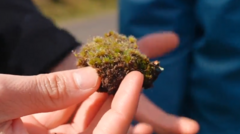
Scientists have identified a fungal species that could help restore native British habitats ravaged by invasive moss. The discovery offers a biological control solution to an ecological problem that has damaged moorlands and grasslands across the UK.
Invasive moss species have colonized vast areas of native habitat, smothering grasses and wildflowers and degrading biodiversity in ecologically sensitive regions. Traditional removal methods, including manual clearing and chemical treatments, prove expensive and labor-intensive. The newly identified fungus targets and weakens invasive moss populations, potentially offering a more sustainable long-term remedy.
Researchers believe the fungus works by infecting the invasive species, reducing its vigor and competitive advantage over native plants. If the fungus proves effective in controlled trials, it could be deployed across affected moorlands and grasslands to restore ecological balance without harming native species.
The finding reflects growing interest in biological control methods as alternatives to manual intervention. British habitats, particularly upland moorlands in Scotland and England, have experienced significant degradation as invasive mosses spread unchecked. These mosses alter soil chemistry and moisture retention, creating conditions hostile to native heathers, grasses, and wildflowers that depend on those ecosystems.
Ecologists emphasize that introducing any organism as a biological control requires rigorous testing to prevent unintended consequences. The research team plans extensive field trials before recommending widespread deployment. Success could transform habitat restoration strategies across the UK, reducing costs while improving outcomes for endangered native species and the wildlife that depends on them.
This discovery aligns with broader conservation efforts to restore Britain's degraded habitats without relying solely on manual labor or chemical interventions.