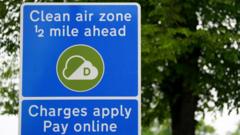
A UK council has spent £470,000 in Clean Air Zone penalties on its own vehicle fleet, according to BBC Politics. One in eight vehicles in the council's fleet fails to meet the emissions standards the council itself established and enforces.
The Clean Air Zone scheme charges drivers of non-compliant vehicles to enter designated urban areas, with the goal of reducing pollution in city centers. The council operates the program but appears unable to fully comply with its own regulations. The penalty costs reveal a gap between the environmental standards the local authority promotes publicly and its ability to meet those same standards operationally.
This contradiction undermines the council's credibility on air quality initiatives. Residents and businesses already pay charges to drive non-compliant vehicles through these zones. The council now pays the same penalties for a portion of its own fleet, suggesting either insufficient resources to replace aging vehicles or a failure in fleet management planning.
The figure represents real money diverted from other services to cover compliance failures. Fleet vehicles include council workers' vans, maintenance trucks, and administrative transport. Replacing or retrofitting these vehicles to meet Clean Air Zone standards requires upfront capital investment that apparently the council has not fully implemented.
Local authorities across the UK operate under similar emissions reduction mandates. This council's struggle highlights the tension between ambitious environmental policy and practical enforcement. The public expects government agencies to lead by example on sustainability. When councils pay penalties for their own violations, it signals that compliance remains optional even for those setting the rules.
The council has not specified a timeline for bringing the remaining non-compliant vehicles into compliance or whether additional funding exists for fleet upgrades. The ongoing penalty payments represent a recurring operational cost rather than a one-time infrastructure expense, suggesting the problem persists.