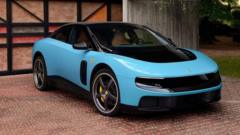
Ferrari's stock tumbled following the reveal of its first fully electric vehicle, the Luce, signaling investor skepticism about the Italian luxury carmaker's pivot to battery power. The design proved controversial on social media, with enthusiasts and design critics expressing divided reactions to the new model's aesthetic direction.
The launch arrives amid relentless competitive pressure from Chinese EV manufacturers, who have aggressively expanded into the premium segment. Tesla, BYD, and emerging players like Nio and XPeng have already captured significant market share in electric performance vehicles, forcing traditional automakers to accelerate their own electrification timelines.
Ferrari's decision to go fully electric represents a dramatic departure from its heritage as a gas-engine purist brand. The Prancing Horse has long resisted full battery powertrains, instead emphasizing hybrid systems to maintain the visceral driving experience associated with combustion engines. That philosophical shift triggered nostalgia among longtime fans and raised questions about whether Ferrari can deliver the emotional connection buyers expect at six-figure price points.
The market's immediate reaction underscores broader concerns haunting legacy automakers. While mainstream manufacturers like Volkswagen and BMW navigate the EV transition with relative investor patience, luxury brands face heightened expectations around design language and brand authenticity. Buyers paying premium prices demand that new electric models feel revolutionary, not compromised.
Ferrari has positioned the Luce as the first in a wave of electrified offerings. The company plans to introduce hybrid variants across its lineup while gradually shifting toward full battery power. Balancing heritage appeal with contemporary technology remains the central challenge. Chinese competitors face no such legacy constraints and have attracted design talent and capital at unprecedented scales.
The Luce's mixed reception signals that electrification alone won't guarantee success in luxury segments. Execution on design, performance, and brand storytelling matter equally.